Limestone Coast
Day trips around the Limestone Coast
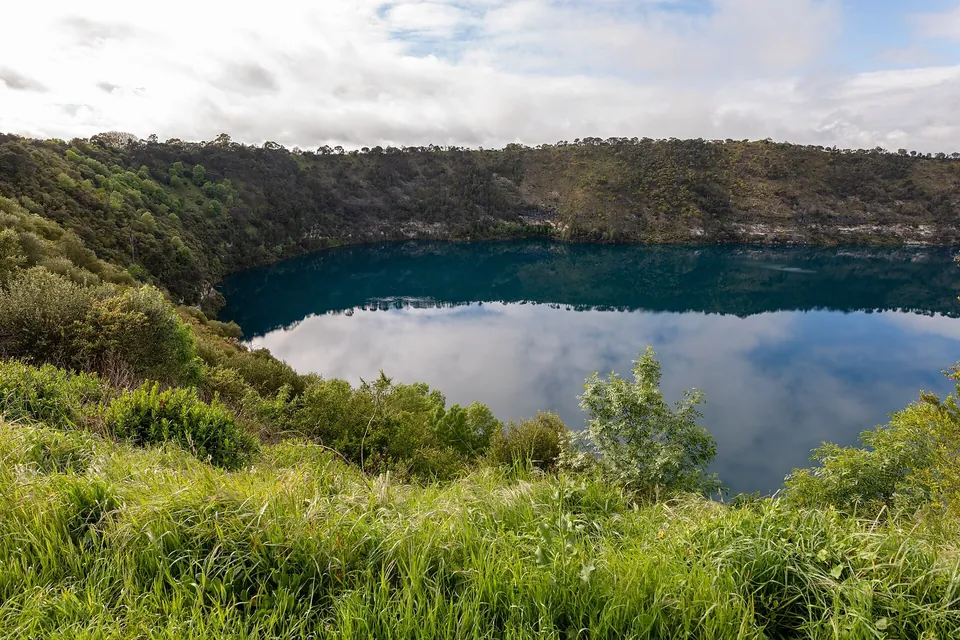
Crater lakes, sinkholes and coast, a day trip from the cabins.
Photo: Dietmar Rabich / Wikimedia Commons, CC BY-SA 4.0
Exploring the Limestone Coast? Base yourself in a log cabin on a working farm at Maaoupe. 2-night minimum, from $250 a night.
Day trips
A quiet base, a big region
The Limestone Coast stretches from the Coorong to the Victorian border: crater lakes, sinkholes, fishing towns and several wine regions. Our cabins at Maaoupe are inland, roughly in the middle, so most of it is within a comfortable day trip.
We're not in Mount Gambier or Robe, and we won't pretend to be. But if you'd rather wake up on a farm with a golf course than in a motel, the drive is part of the fun.
About 1 hr
Mount Gambier
South Australia's second city is built around volcanic craters and limestone sinkholes, and most of its best sights are free.
The Blue Lake
A crater lake that turns a vivid cobalt blue from around late November to March. A 3.6 km path and road circles the rim, with several lookouts.
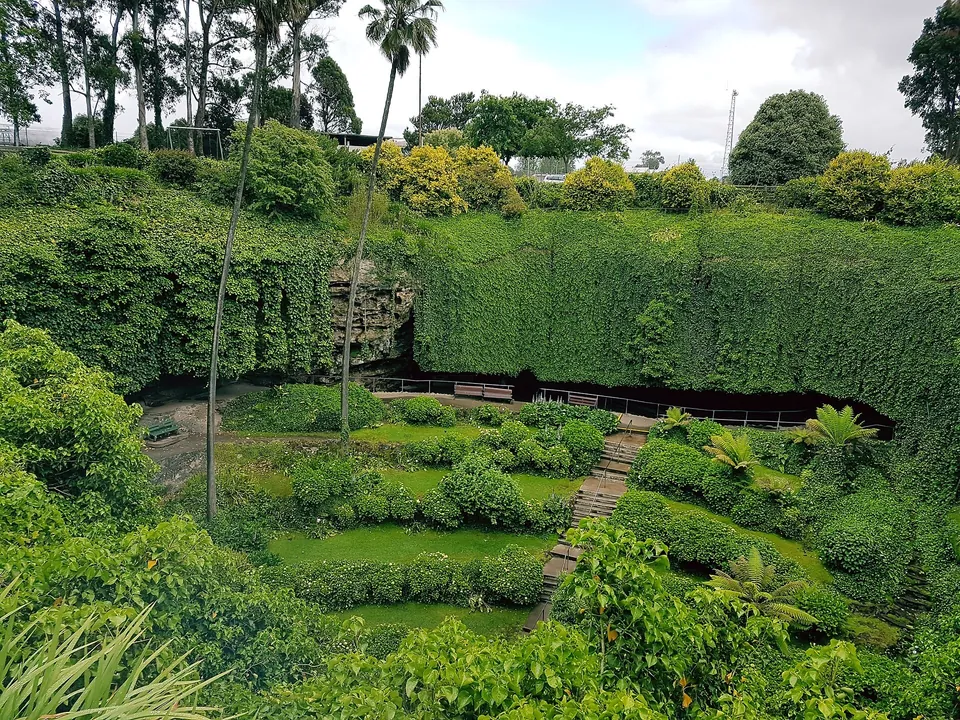
Umpherston Sinkhole
A collapsed cave turned into a terraced sunken garden. Free to visit; come at dusk to see the possums.
Cave Garden (Thugi)
A sinkhole garden right in the city centre, with a viewing platform and evening projections of historic photos.
More at the City of Mount Gambier visitor information page. Penola is on the way, so stop for lunch on the drive home.
About 1 hr 40 min
Robe and the coast
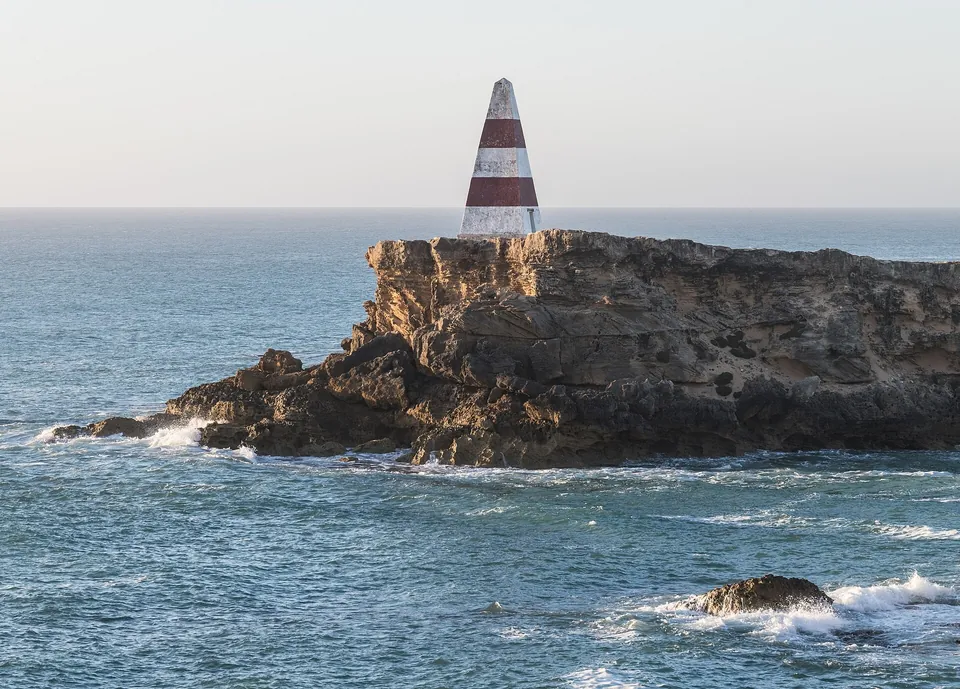
Robe is a historic seaside town on Guichen Bay, with beaches, a heritage main street and the striped obelisk on the cliffs at Cape Dombey. Make a loop of it via Beachport and its long jetty. It's a full day, so set off early and check the weather.
Wine country
Limestone Coast wineries beyond Coonawarra
Coonawarra is the famous one, but the Limestone Coast has several other wine regions, including Wrattonbully, Padthaway and Mount Benson near Robe. Ottelia in Coonawarra pours wines from across the Limestone Coast if you want to taste the regions side by side. Start with our Coonawarra wineries guide.
Closer to home
The Penola–Naracoorte loop
For an easier day, head to Penola for the Mary MacKillop Centre, drive north through the Coonawarra strip, carry on to the Naracoorte Caves, and come home past Bool Lagoon.
| From the cabins to | Drive (approx.) |
|---|---|
| Coonawarra cellar doors (approx. 14 km) | About 20 min |
| Penola (approx. 21 km) | About 20 min |
| Bool Lagoon (approx. 31 km) | About 35 min |
| Naracoorte Caves (approx. 46 km) | About 40 min |
| Naracoorte (town) (approx. 47 km) | About 40 min |
| Mount Gambier (approx. 75 km) | About 1 hr |
| Robe (approx. 105 km) | About 1 hr 40 min |
Drive times are approximate, measured from the cabins with online mapping (OpenStreetMap routing) and rounded. Allow extra time for gravel roads, farm traffic, wildlife at dusk and stops.
Limestone Coast accommodation
Come home to a log cabin
After a day on the coast, come back to a wood heater, a fire pit and big skies. Two self-contained cabins, pets welcome. Book direct with Dave.
Why stay at Murray's Cottages
- Two self-contained 2-bedroom log cabins, Callistemon & Banksia, each sleeping 4 (book both for up to 8)
- A working farm with lawns, gum trees and birdlife
- Our own challenging 9-hole golf course, free for guests
- Pets welcome
- The cottages are left unlocked for you: check in from 3pm, check out by 11am
- From $250 a night ($300 peak), 2-night minimum
How far is Mount Gambier from Murray's Cottages?
When is the Blue Lake bluest?
Is Murray's Cottages Limestone Coast accommodation?
Can we bring the dog on day trips?
Is there a minimum stay?
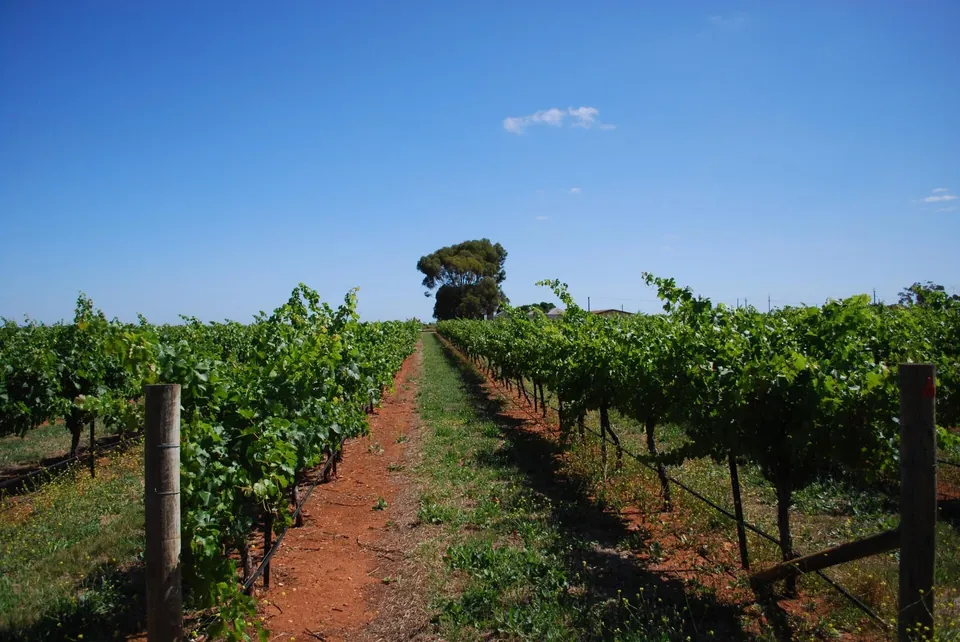
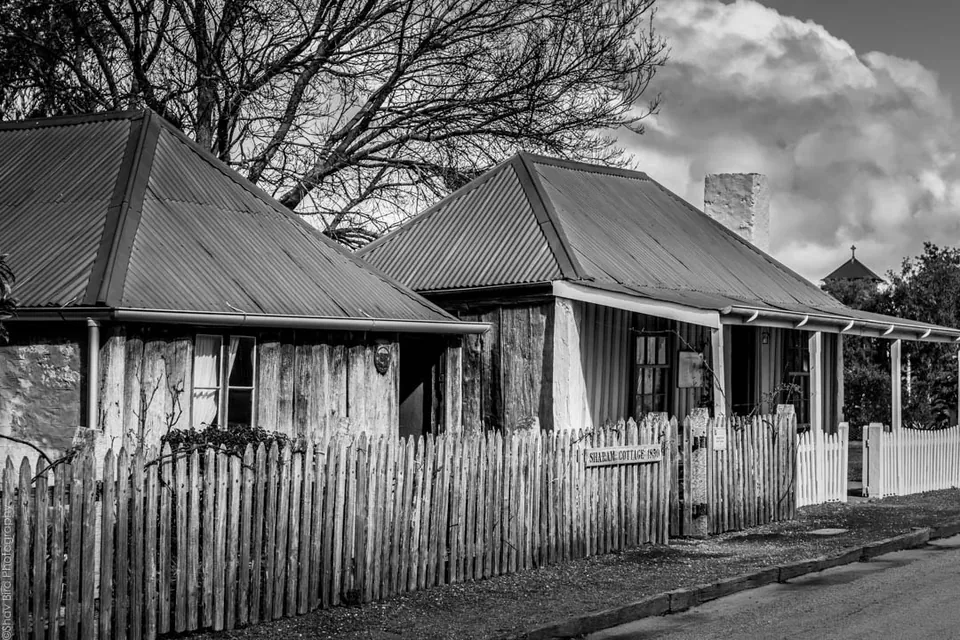
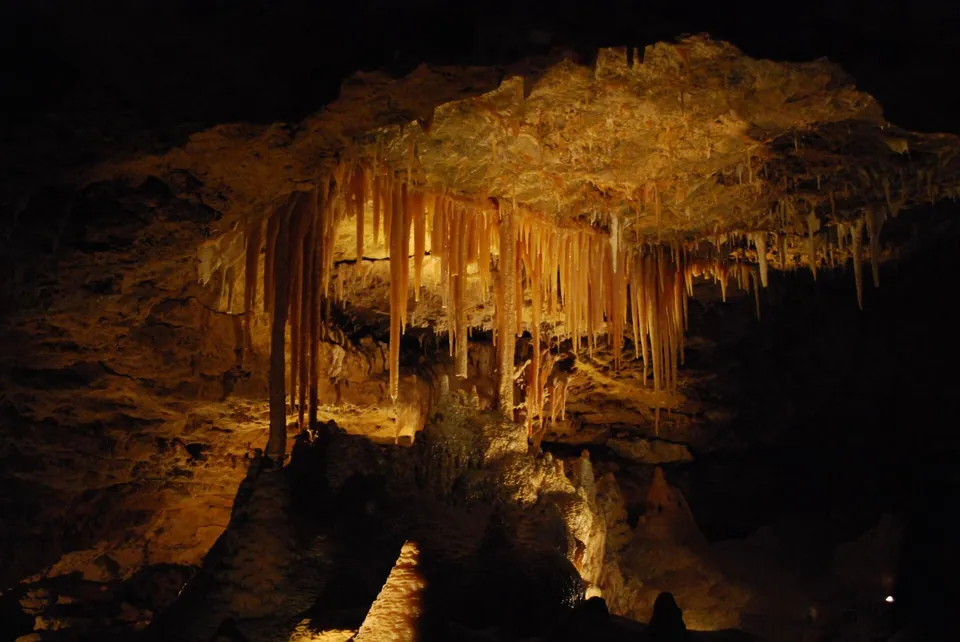
Photo credits
- Umpherston Sinkhole, Mount Gambier. Photo: Satellizer / Wikimedia Commons, CC BY-SA 4.0
- Cape Dombey obelisk, Robe. Photo: DXR / Wikimedia Commons, CC BY-SA 4.0
- Vines on terra rossa soil, Coonawarra. Photo: Alpha / Wikimedia Commons, CC BY-SA 2.0
- Historic cottages, Penola. Photo: Shav Bird / Wikimedia Commons, CC BY 3.0
- Victoria Fossil Cave, Naracoorte Caves. Photo: Alpha / Wikimedia Commons, CC BY-SA 2.0
- Blue Lake, Mount Gambier. Photo: Dietmar Rabich / Wikimedia Commons, CC BY-SA 4.0